
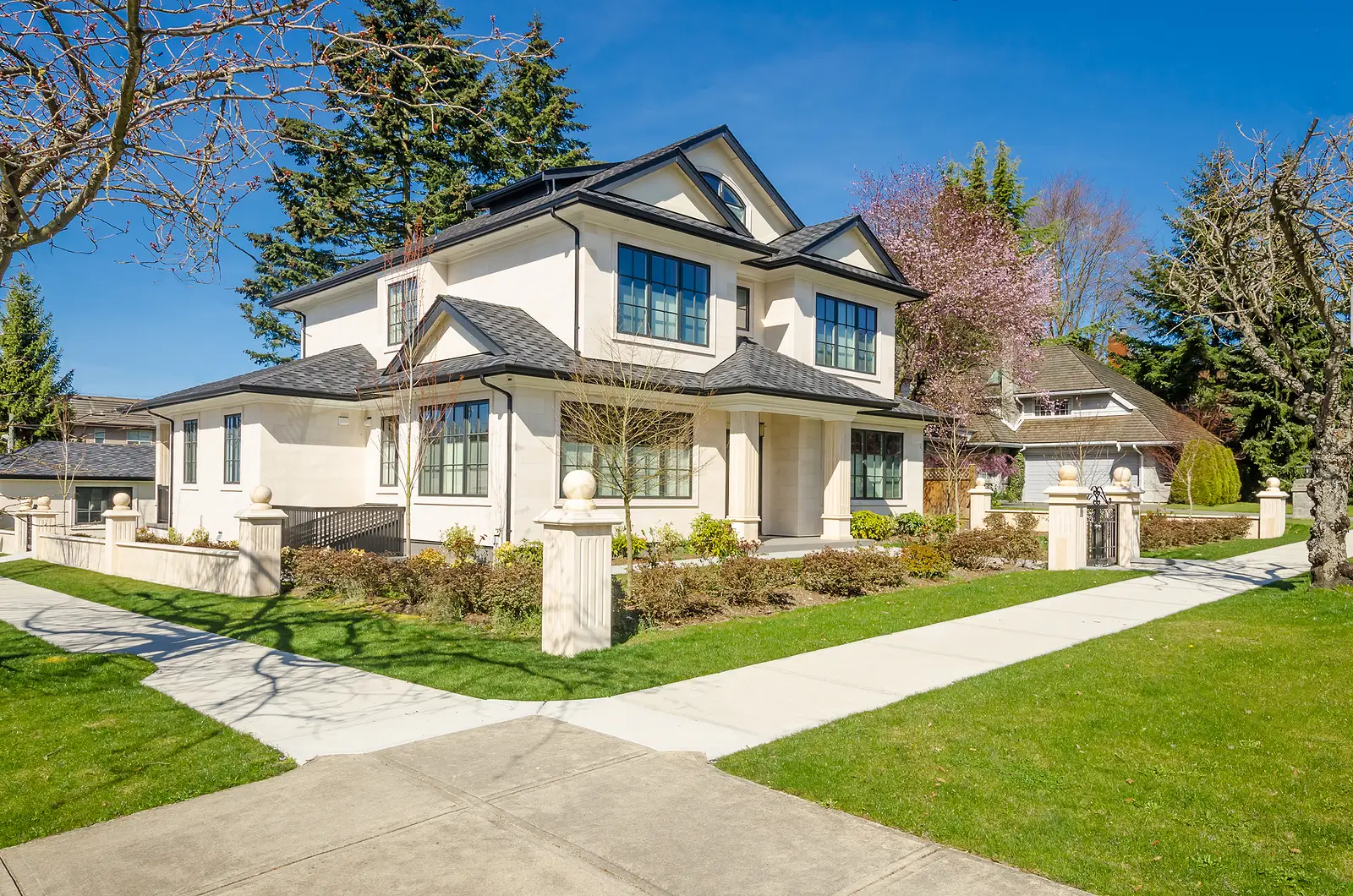
Picture this: a prospective tenant tours your rental, steps outside, and realizes their morning coffee, office commute, dinner plans, weekend market run, and evening riverfront walk are all within a few blocks. That moment is where walkability stops being a neighborhood buzzword and becomes rental income. Across Central Pennsylvania, renters are not simply comparing bedrooms and square footage; they are comparing lifestyles. For landlords in Harrisburg, Lancaster, State College, and nearby communities, a well-located rental in a pedestrian-friendly area can attract more applicants, lease faster, renew more often, and justify stronger pricing than a similar property in a car-dependent location.
Key Takeaways
Walkable rentals often command stronger rents because tenants value convenience, shorter commutes, nearby restaurants, retail, transit, and entertainment.
Downtown and mixed-use neighborhoods tend to see stronger tenant competition, especially when housing supply is limited.
Young professionals, students, remote workers, and empty-nesters are major drivers of walkable rental demand because many prefer a car-lite lifestyle.
Harrisburg is a high-demand small rental market, with RentCafe reporting Harrisburg ranked No. 3 among small U.S. rental markets in 2025, with 96% occupancy and 77% lease renewals.
Landlords should market walkability directly by highlighting commute times, nearby cafes, transit access, grocery options, parks, arts districts, and downtown employers.
Why Walkability Matters So Much to Renters
Walkability is more than sidewalks. For renters, it means freedom. It means fewer parking headaches, lower transportation costs, quick access to daily errands, and a stronger connection to the neighborhood. A tenant who can walk to work, dinner, the gym, a coffee shop, or the train station experiences the property differently than a tenant who has to drive everywhere.
For landlords, this means walkability should be treated as a property feature, not just a neighborhood detail. A renovated kitchen matters. So does in-unit laundry. But being five minutes from restaurants, offices, transit, nightlife, and parks can be just as powerful when a renter is deciding whether to apply.
The Walkability Premium: Why Convenience Raises Rental Demand
In Central Pennsylvania, walkable rentals benefit from what landlords can think of as a “convenience premium.” Tenants are often willing to trade square footage for location. A smaller apartment in Downtown Harrisburg or Downtown Lancaster may feel more valuable than a larger rental farther from employment centers, restaurants, shops, and social activity.
National real estate research supports this pattern. Smart Growth America’s Foot Traffic Ahead 2023 report found that demand for walkable urban real estate exceeds supply and that walkable urban places continue to produce rent and price premiums compared with car-dependent alternatives. The report also found significant rental premiums in office and multifamily rentals in walkable urban areas.
For landlords, the lesson is straightforward: tenants do not only rent the unit. They rent the daily routine that comes with it. A property near a grocery store, transit stop, coffee shop, coworking space, arts venue, or downtown employer has a built-in marketing advantage.
That advantage can show up in several ways:
More inquiries after listing
Faster leasing timelines
Stronger applicant pools
Better rent positioning
Lower vacancy risk
Higher renewal rates
More tenant satisfaction
When renters can build their daily life around the neighborhood, moving becomes less attractive. That is especially important for landlords who want to reduce turnover costs, cleaning expenses, vacancy losses, and repeated leasing work.
Central Pennsylvania’s Historic Urban Cores Create Built-In Scarcity
One reason walkable rentals perform well in Central Pennsylvania is supply constraint. Many of the region’s most desirable walkable neighborhoods are historic, already built-out, and limited in available rental inventory. Unlike newer suburban corridors where additional apartment communities can be developed more easily, downtown areas often have fewer parcels, older building stock, zoning considerations, preservation requirements, and higher renovation complexity.
This scarcity can work in a landlord’s favor. In Lancaster, Harrisburg, and State College, walkable apartments are not unlimited. When demand rises and supply remains tight, competition increases. That can support stronger rents, better occupancy, and improved tenant retention.
However, scarcity alone is not enough. Tenants still expect clean, safe, well-maintained housing. A walkable location may get a renter’s attention, but property condition, responsiveness, pricing, and management quality still determine whether that renter signs and renews.
Lancaster: A Walkability Standout in Central Pennsylvania
Lancaster is one of the clearest examples of walkability driving rental appeal in Central PA. Walk Score lists Lancaster with an average Walk Score of 81, categorizing it as “Very Walkable,” and identifies Lancaster Central Business District, Musser Park, and Chestnut Hill among its most walkable neighborhoods.
The numbers get even stronger at the neighborhood level. Lancaster Central Business District has a Walk Score of 98, making it a “Walker’s Paradise,” while Musser Park has a Walk Score of 96.
For landlords, this helps explain why downtown Lancaster rentals can attract strong tenant interest. The area offers the kind of lifestyle renters often prioritize: restaurants, cafes, galleries, boutique retail, Central Market access, nightlife, and historic character. Renters who want energy and convenience may accept smaller units or higher rents because the location itself improves their daily experience.
The key for Lancaster landlords is to market the neighborhood as part of the property. Instead of only saying “one-bedroom apartment available,” a stronger listing might emphasize “steps from dining, cafes, galleries, and downtown employers.” That language speaks directly to what walkability-minded renters value.
Harrisburg: Walkability Meets a Competitive Rental Market
Harrisburg has become especially important for Central PA landlords because it combines walkable neighborhoods with strong rental market pressure. RentCafe’s 2025 year-end report ranked Harrisburg No. 3 among the nation’s most competitive small rental markets, citing an 88.2 Rental Competitiveness Index score, 96% occupancy, 77% lease renewals, limited new supply growth, and 13 applicants per vacant unit.
That matters because walkability becomes even more valuable when rental competition is already high. In Downtown Harrisburg, Midtown, Hardscrabble, the Capital District, and riverfront-adjacent areas, tenants can access government offices, restaurants, arts venues, transit, parks, and entertainment without relying completely on a car.
Walk Score data shows strong pedestrian appeal in several Harrisburg locations. For example, a Capital District location showed a Walk Score of 92, and the neighborhood itself was listed with a Walk Score of 89, while a Hardscrabble location showed a Walk Score of 93, and the neighborhood was listed as Harrisburg’s most walkable with a neighborhood Walk Score of 90.
Harrisburg also has lifestyle amenities that strengthen downtown and midtown rental appeal. Visit Hershey & Harrisburg describes the Harrisburg Arts District as a walkable stretch through downtown, midtown, and riverfront neighborhoods, with public murals, monuments, venues, galleries, and monthly arts programming.
For landlords, this means a Harrisburg rental listing should not bury the location. If a unit is near the Capitol Complex, Restaurant Row, Riverfront Park, Midtown Cinema, Broad Street Market, City Island, or transit, that information belongs near the top of the listing.
State College: Walkability Driven by Penn State
State College has a different walkability engine: Penn State University. The strongest rental demand often centers around proximity to campus, downtown commerce, student services, restaurants, and entertainment. Redfin’s walkability ranking lists State College with a Walk Score of 68 and notes walkable areas such as Downtown State College and the Penn State University area.
For landlords, the principle is simple: the closer a rental is to campus and downtown, the more convenience it offers. Students, graduate students, faculty, and staff often value the ability to walk to academic buildings, libraries, restaurants, and daily services. Penn State also operates an off-campus housing search resource for undergraduates, graduate students, faculty, and staff, reinforcing how important the off-campus rental ecosystem is to the university community.
In State College, walkability can affect both pricing and leasing timelines. Units within walking distance of campus and downtown may lease earlier and face stronger competition than properties that require driving, shuttle reliance, or longer commutes.
How Landlords Can Use Walkability to Increase Rental Demand
A walkable property should be positioned differently from a standard rental. Landlords should market the location as a lifestyle advantage and support that message with specifics.
Start with your listing headline. Instead of writing “2-bedroom apartment in Harrisburg,” consider language such as “Walkable Midtown Harrisburg Rental Near Dining, Transit, and Riverfront.” Specificity helps renters immediately understand the benefit.
Then, include concrete walking-distance details in the listing description. Mention nearby employers, transit stops, parks, grocery options, coffee shops, restaurants, entertainment venues, and cultural attractions. Renters respond better to “five-minute walk to coffee and restaurants” than vague claims like “great location.”
Photos also matter. Include exterior shots, street views, nearby parks, entryways, and neighborhood amenities when appropriate. A walkable rental should visually communicate convenience.
Landlords should also review pricing carefully. A highly walkable location may justify a stronger rent, but the premium still depends on condition, layout, parking, pet policy, utilities, amenities, and competing listings. Overpricing can weaken the advantage, while underpricing can leave income on the table.
Walkability Also Improves Retention
Tenant retention is one of the most overlooked financial benefits of walkability. A renter who loves their neighborhood may be less likely to move, even when rent increases modestly. Why? Because moving means losing more than the apartment. It means losing the coffee shop around the corner, the short commute, the favorite restaurant, the gym nearby, and the ability to live with less car dependency.
That is why walkability should be part of your renewal strategy. When offering a renewal, landlords can remind tenants of the convenience they already have: nearby amenities, commute advantages, neighborhood events, transit, and lifestyle value. This is especially useful in competitive markets like Harrisburg, where lease renewals are already elevated.
FAQs About Walkability and Rental Property Demand
1. Do walkable rental properties always earn higher rent?
Not always, but they often have a stronger competitive position. Walkability can support higher rent when the property is also clean, safe, well-maintained, accurately priced, and professionally marketed. A great location will not fully overcome poor maintenance or weak management, but it can significantly increase tenant interest.
2. What should landlords highlight when marketing a walkable rental?
Highlight nearby transit, restaurants, cafes, grocery stores, parks, employers, schools, entertainment, gyms, arts venues, and commute times. Use specific phrases such as “near Downtown Harrisburg,” “walkable to restaurants,” “close to public transit,” and “minutes from riverfront trails” to capture search traffic and renter attention.
3. Is walkability only important to young renters?
No. Young professionals and students are major demand drivers, but empty-nesters, remote workers, and downsizing renters also value walkability. Many renters want convenience, reduced driving, social access, and a neighborhood that feels active and connected.
Walkability Is a Rental Advantage Landlords Should Not Ignore
Walkability has become one of Central Pennsylvania’s most powerful rental demand drivers. In Lancaster, exceptional Walk Scores and downtown culture create strong tenant appeal. In Harrisburg, walkable neighborhoods combine with one of the nation’s most competitive small rental markets. In State College, proximity to Penn State and downtown amenities shapes leasing demand.
For landlords, the opportunity is clear: price strategically, market the lifestyle, maintain the property well, and make walkability impossible for renters to miss.
Hometown Property Management helps Harrisburg-area landlords manage, lease, market, and maintain rental properties across single-family homes, townhomes, condos, multifamily, industrial, retail, and commercial properties. Their services include rental marketing, tenant screening, rent collection, maintenance coordination, financial reporting, and owner support.
Ready to turn your property’s location into stronger rental performance? Connect with Hometown Property Management for experienced Harrisburg property management built around less stress, better systems, and stronger investment results.