
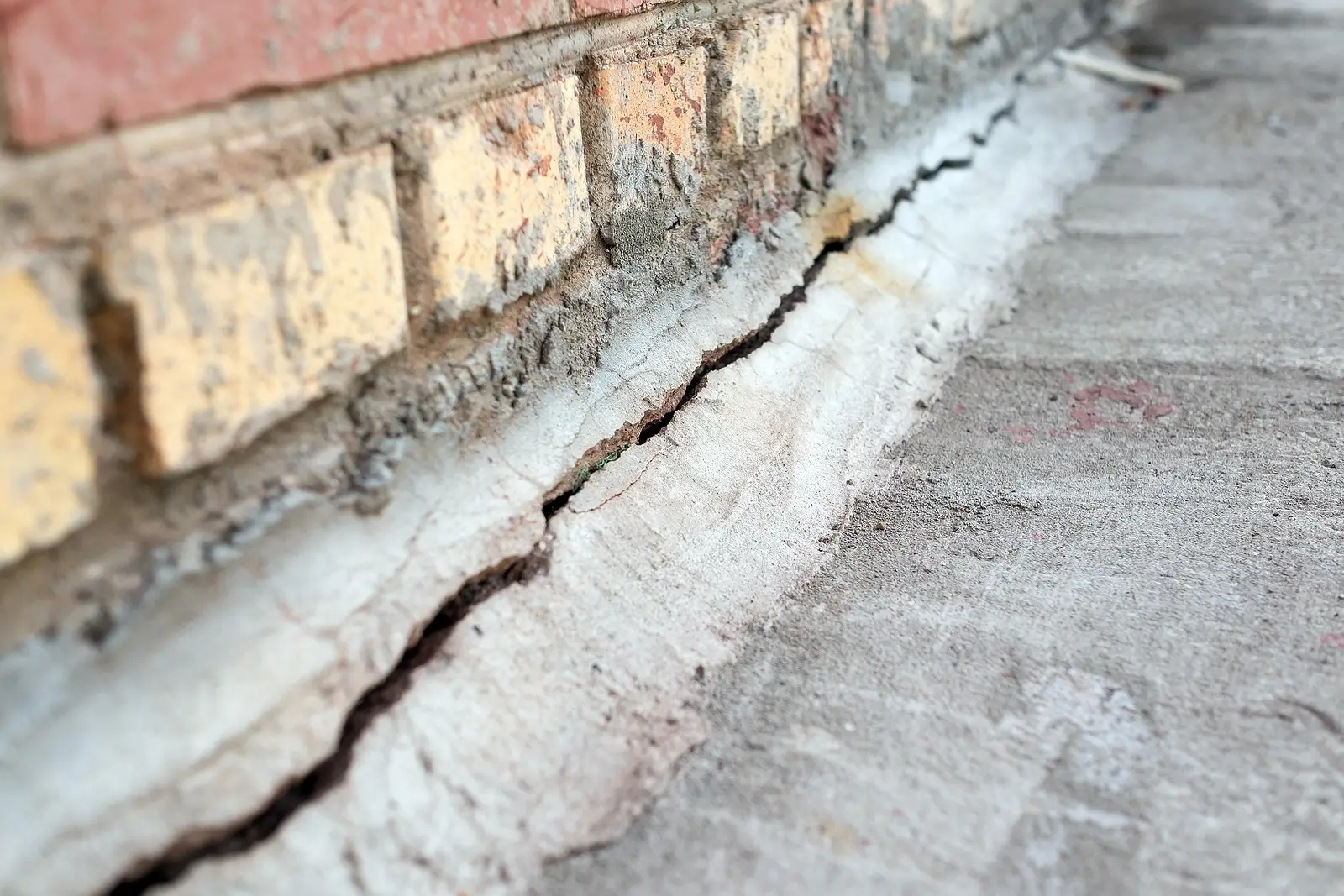
Owning rental property in Pennsylvania can be a profitable investment—but it also comes with serious legal responsibilities. Many landlords focus on rent collection and occupancy rates, only to overlook hidden liability risks that can lead to costly lawsuits. From poorly maintained staircases to overlooked safety devices, even small issues can escalate into major legal claims. In Harrisburg, PA and beyond, understanding these risks is critical to protecting your investment and your reputation.
Key Takeaways
Neglected maintenance is one of the leading causes of landlord liability claims, especially involving slips, trips, and falls.
The “implied warranty of habitability” requires landlords to maintain safe, livable conditions—no exceptions.
Tenants in Pennsylvania have up to two years to file a personal injury lawsuit, increasing long-term exposure.
Improper or incomplete repairs can create more liability than not repairing at all.
Partnering with a professional property management company like Hometown Property Management helps reduce risk and ensure compliance.
The Hidden Liability Risks That Cost Landlords Thousands
Many liability issues don’t seem urgent until an accident happens. Unfortunately, by the time a tenant or visitor is injured, it’s often too late to fix the problem without legal consequences.
Let’s break down the most common (and often overlooked) liability risks Pennsylvania landlords face.
1. Negligent Repairs: When ‘Fixing It’ Isn’t Enough
One of the biggest mistakes landlords make is assuming that any repair is a good repair. In reality, improper or incomplete repairs can increase liability.
For example:
Fixing a broken stair, but leaving the handrail loose
Patching flooring without addressing underlying structural issues
Hiring unqualified contractors who don’t meet code requirements
If a tenant is injured because of a poorly executed repair, landlords can be held legally responsible. Courts may view negligent repairs as a failure to provide safe housing conditions.
Pro tip: Always use licensed professionals and document all repair work thoroughly.
2. Snow and Ice Removal: A Seasonal Risk with Serious Consequences
Pennsylvania winters bring more than just cold weather—they bring liability risks.
If your lease states that the landlord is responsible for snow and ice removal, failing to clear:
Walkways
Parking lots
Entryways
can result in slip-and-fall injuries, which are among the most common personal injury claims.
Even if the lease assigns responsibility to tenants, landlords may still share liability if:
The area is considered a common space
The hazard was known but ignored
Don’t assume snow removal is “optional.” It’s a legal and safety priority.
3. Neglected Common Areas: A Lawsuit Waiting to Happen
Common areas are a major source of liability for landlords, especially in multi-unit properties.
High-risk issues include:
Poor lighting in hallways or parking lots
Uneven sidewalks or flooring
Broken stairs or railings
Loose carpeting or tiles
These hazards significantly increase the likelihood of accidents and lawsuits.
In Pennsylvania, landlords are responsible for maintaining safe common areas, regardless of lease terms. If a tenant or guest is injured due to neglect, the landlord can be held liable.
4. Criminal Activity and Nuisance Issues
Many landlords underestimate their responsibility when it comes to criminal activity on their property.
If you’re aware of ongoing issues like:
Drug dealing
Repeated disturbances
Violent incidents
and fail to take action, you could face liability for negligence.
Courts may determine that landlords have a duty to:
Address known dangers
Enforce lease terms
Take reasonable steps to protect tenants
Ignoring these problems can lead to claims that you failed to provide a safe living environment.
5. Failure to Maintain Safety Devices
Smoke detectors and carbon monoxide detectors aren’t just recommendations—they’re mandatory safety requirements.
Failing to:
Install working detectors
Replace batteries
Ensure compliance with local codes
can lead to devastating consequences, including injury or death.
In such cases, landlords may face:
Significant financial liability
Legal penalties
Reputational damage
This is one of the simplest risks to prevent—yet one of the most commonly overlooked.
6. Ignoring General Property Upkeep
Even if certain responsibilities aren’t explicitly outlined in the lease, Pennsylvania law requires landlords to maintain a habitable living environment.
This includes:
Functional plumbing and heating
Safe structural conditions
Adequate weatherproofing
Pest control (in many cases)
Neglecting these basics can violate the implied warranty of habitability, opening the door to lawsuits, rent withholding, or tenant lease termination.
Understanding Pennsylvania Landlord Liability Laws
To protect yourself effectively, it’s essential to understand the legal framework governing landlord responsibilities in Pennsylvania.
Implied Warranty of Habitability
This is one of the most important legal concepts for landlords.
It cannot be waived, even if a tenant agrees otherwise
Requires landlords to maintain safe and livable conditions
Applies to all residential rental properties
Violations can result in:
Lawsuits
Rent reductions
Court-ordered repairs
Comparative Negligence
Pennsylvania follows a comparative negligence rule, which means:
If a tenant is partially responsible for their injury, the landlord’s liability may be reduced
However, landlords can still be held financially responsible for their share of fault
Example: If a tenant trips on a poorly lit staircase but was also distracted, liability may be split.
Statute of Limitations
In Pennsylvania:
Injured parties have two years from the date of the incident to file a lawsuit
This means liability doesn’t disappear quickly. Landlords must maintain records and stay vigilant long after an incident occurs.
How Harrisburg Landlords Can Reduce Liability Risk
Preventing liability issues is far more cost-effective than defending against them. Here are practical steps to protect your rental property:
1. Conduct Regular Property Inspections
Schedule routine inspections to identify hazards early, especially in:
Stairways
Parking areas
Common spaces
2. Stay Compliant with Local Building Codes
Harrisburg has specific safety and maintenance requirements. Staying compliant helps you avoid fines and lawsuits.
3. Document Everything
Keep detailed records of:
Repairs
Inspections
Tenant complaints
Documentation can be critical in defending against claims.
4. Use Qualified Contractors
Avoid cutting corners. Professional, code-compliant repairs reduce long-term risk.
5. Work with a Property Management Expert
Professional management companies understand local laws and proactively handle maintenance, inspections, and tenant concerns.
Why Work with Hometown Property Management?
Managing liability risks on your own can be overwhelming—especially with constantly evolving regulations.
Hometown Property Management, serving Harrisburg, PA, specializes in helping landlords:
Stay compliant with Pennsylvania laws
Handle maintenance and repairs efficiently
Reduce liability exposure
Protect long-term property value
Our proactive approach ensures small issues don’t turn into costly legal battles.
Frequently Asked Questions
1. Can a landlord be sued for a tenant’s injury in Pennsylvania?
Yes. If the injury was caused by unsafe conditions, negligent repairs, or failure to maintain the property, landlords can be held liable.
2. What is the implied warranty of habitability?
It’s a legal requirement that landlords provide safe, livable housing. This includes maintaining essential systems and addressing hazards, regardless of lease terms.
3. How long do tenants have to file a lawsuit in PA?
Tenants (or injured parties) have two years from the date of the incident to file a personal injury claim.
Protect Your Investment Before It’s Too Late
Liability risks don’t usually announce themselves; they build quietly over time until one incident triggers a costly legal battle. For Pennsylvania landlords, especially in Harrisburg, staying proactive is the best defense.
From maintaining safe common areas to ensuring proper repairs and compliance with habitability laws, every detail matters.
If you want to minimize risk, save time, and protect your investment, partnering with a trusted local expert is one of the smartest moves you can make.
Hometown Property Management is here to help you navigate the complexities of property ownership with confidence.
Contact us today to learn how professional management can safeguard your rental business.